Sustainable Shipping: Green Logistics Trends to Watch in 2026
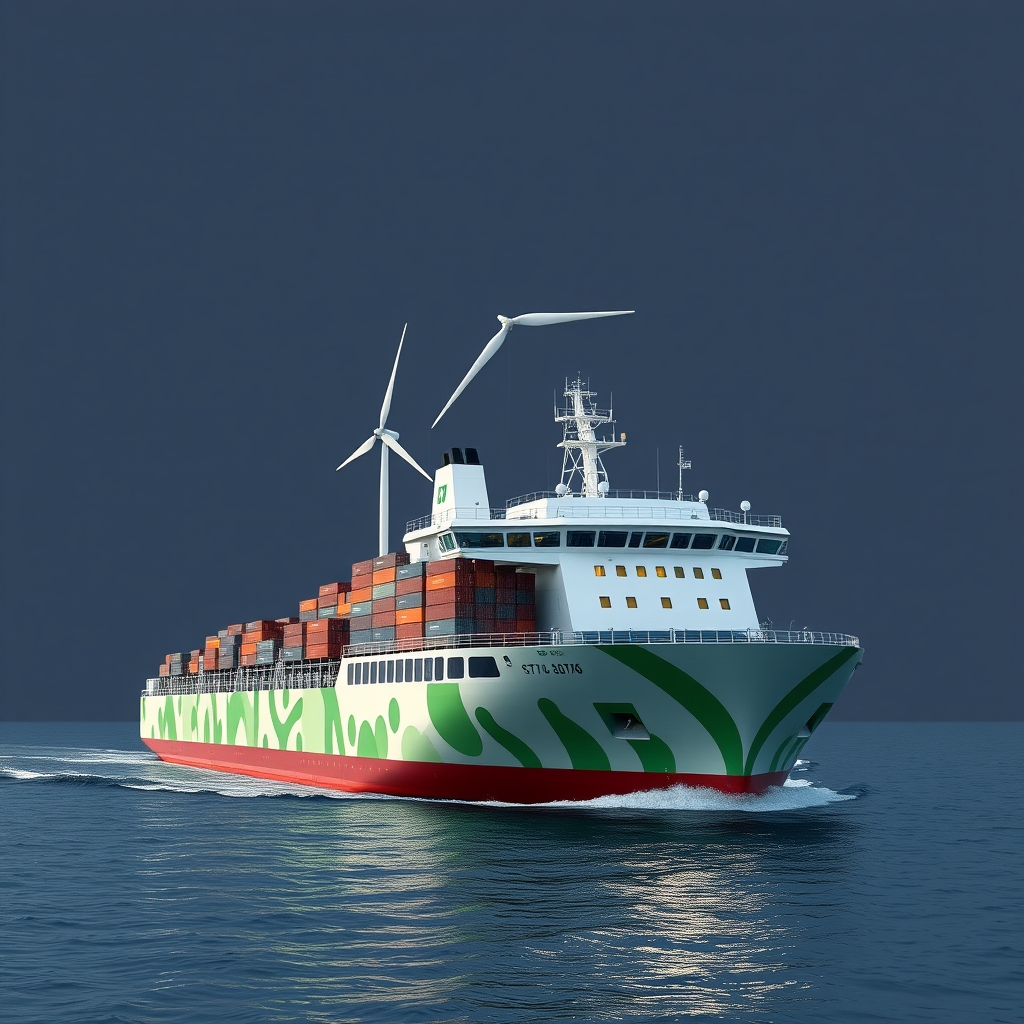
The global shipping industry accounts for nearly 3% of worldwide greenhouse gas emissions—roughly equivalent to the entire aviation sector. As regulatory pressure mounts and customers demand greener supply chains, the logistics industry is undergoing a profound green transformation.
From alternative fuels to carbon offset programs, here's what's driving sustainable shipping in 2026 and what it means for your logistics strategy.
The Regulatory Landscape
International regulations are accelerating the push toward sustainable shipping. The International Maritime Organization (IMO) has set ambitious targets:
- 2030: 40% reduction in carbon intensity compared to 2008 levels
- 2040: 70% reduction in carbon intensity
- 2050: Net-zero emissions across international shipping
Regional regulations are even more aggressive. The EU's Emissions Trading System (ETS) now covers maritime transport, requiring shipping companies to purchase carbon credits for their emissions on European routes.
Alternative Fuels: The Path Forward
The transition away from heavy fuel oil (HFO) is well underway. Several alternative fuels are competing for dominance:
LNG (Liquefied Natural Gas)
Currently the most mature alternative, LNG reduces CO2 emissions by 20-25% and virtually eliminates sulfur oxide emissions. However, methane slip remains a concern, potentially offsetting some climate benefits.
Methanol
Green methanol, produced from renewable sources, offers a promising pathway to carbon neutrality. Maersk has ordered 19 methanol-capable vessels, signaling strong industry confidence in this fuel.
Ammonia
Ammonia produces no direct carbon emissions and can be produced using renewable energy. Several major shipyards are developing ammonia-powered engines, with commercial vessels expected by 2027.
Hydrogen
While hydrogen offers zero-emission potential, storage and infrastructure challenges limit its current viability for long-haul shipping. Short-sea routes and port operations are more promising near-term applications.
Market Insight
By 2030, analysts project that alternative fuels will power 15-20% of global shipping capacity, up from less than 1% in 2020. Early movers are securing supply contracts to ensure access to these limited resources.
Carbon Offsetting and Insetting
While the industry transitions to cleaner fuels, carbon offset programs provide a mechanism to achieve net-zero shipping today. However, not all offsets are created equal.
High-Quality Offset Standards
- Gold Standard: Rigorous verification with sustainable development co-benefits
- Verra VCS: Widely recognized standard with strong additionality requirements
- Science Based Targets initiative: Alignment with Paris Agreement goals
Carbon insetting—investing in emission reductions within your own supply chain—is gaining traction as a more transparent alternative. Examples include funding solar installations at warehouses or fleet electrification programs.
Slow Steaming and Voyage Optimization
Reducing vessel speed remains one of the most effective short-term strategies for cutting emissions. A 10% reduction in speed can lower fuel consumption by up to 27%.
Modern voyage optimization platforms use AI to calculate optimal speeds based on:
- Charter party requirements and delivery windows
- Weather and ocean current forecasts
- Port congestion and berth availability
- Fuel prices at different bunkering locations
Electric and Hybrid Vessels
Battery-electric propulsion is making significant inroads in short-sea shipping and port operations. Norway leads the way with over 100 electric ferries in operation, while China is deploying electric container ships for river transport.
Hybrid vessels—combining batteries with conventional engines—offer flexibility for operators uncertain about future fuel availability. Batteries can power port operations and maneuvering while main engines handle open-sea transit.
Shore Power and Port Electrification
Cold ironing—connecting vessels to shore power while at berth—eliminates auxiliary engine emissions in port. Major ports worldwide are investing in shore power infrastructure:
- Los Angeles/Long Beach: Mandatory shore power for container ships
- Rotterdam: €250M investment in shore power by 2028
- Shanghai: All major terminals equipped by 2027
Supply Chain Transparency and Scope 3 Reporting
Corporate sustainability reporting requirements are driving demand for accurate emissions data across supply chains. The SEC's climate disclosure rules and EU Corporate Sustainability Reporting Directive (CSRD) require companies to report Scope 3 emissions—including transportation.
Logistics providers that can offer verified, granular emissions data for every shipment will have a significant competitive advantage.
What Shippers Should Do Now
- Baseline your emissions: Understand your current logistics carbon footprint
- Set science-based targets: Commit to meaningful reduction goals
- Engage your carriers: Prioritize partners with credible sustainability strategies
- Optimize networks: Reduce miles traveled through strategic inventory positioning
- Invest in visibility: Real-time data enables smarter, greener decisions
Track Your Logistics Carbon Footprint
Our API provides emissions data for ocean, air, and trucking shipments worldwide.
Start Free — 100 calls/mo →