Multimodal Transportation Optimization: Combining Rail, Road, and Ocean in 2026
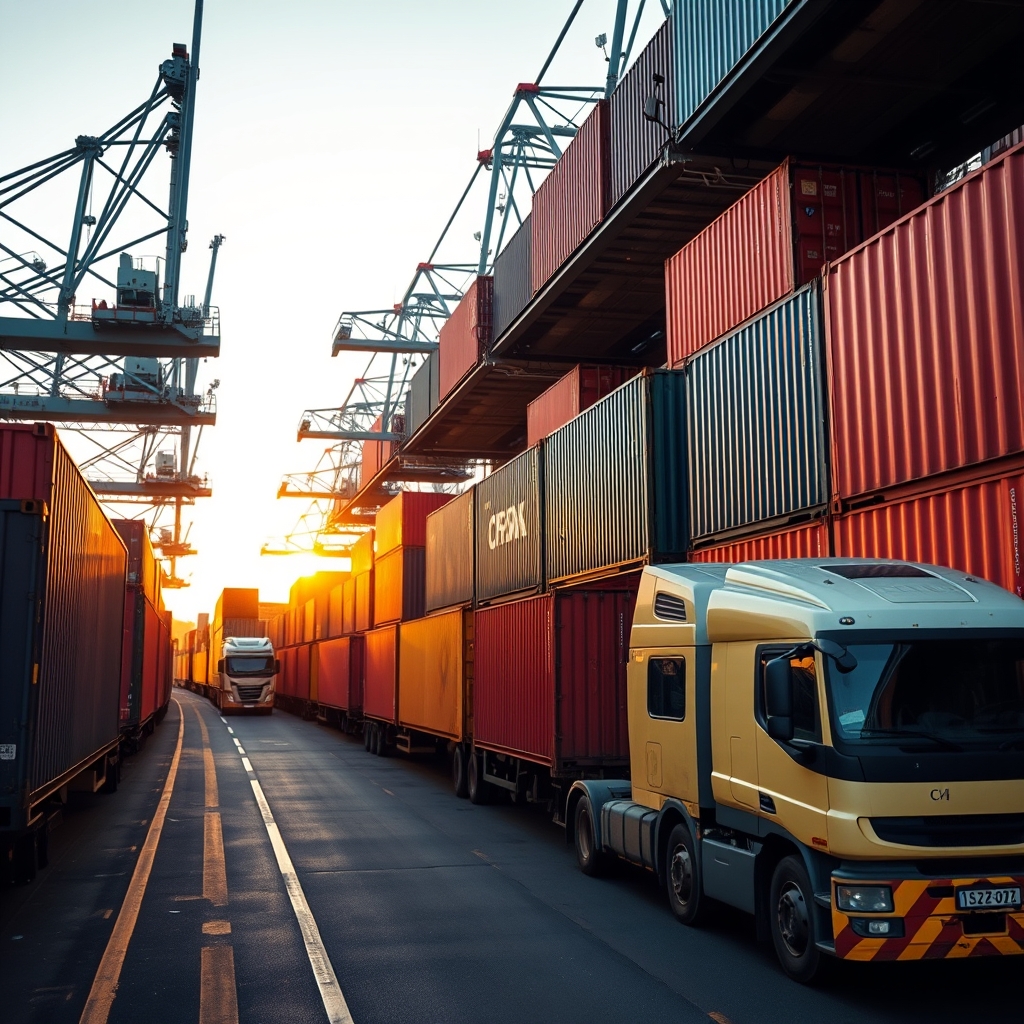
Moving freight from origin to destination rarely involves just one mode of transport. In 2026, the most cost-efficient and resilient supply chains are those that strategically combine rail, trucking, and ocean shipping into seamless multimodal networks. Companies that master this optimization are seeing 25–40% cost reductions compared to single-mode shipping, while simultaneously cutting transit times and carbon emissions.
But multimodal transportation is more than simply booking different carriers for different legs. It requires orchestration, technology, and a deep understanding of how each mode's strengths can complement the others. Here's how leading shippers and logistics providers are getting it right.
Intermodal vs. Multimodal: Understanding the Difference
These terms are often used interchangeably, but they represent distinct approaches to freight movement:
- Intermodal transportation uses standardized containers (typically 20' or 40' ISO units) that transfer between modes without unpacking the cargo. A container moves from ocean vessel to rail car to truck chassis without the goods inside ever being touched. One bill of lading covers the entire journey.
- Multimodal transportation is a broader concept where freight moves via multiple modes under a single contract managed by a multimodal transport operator (MTO). The cargo may or may not stay in the same container—what matters is the single-responsibility framework.
In practice, intermodal is a subset of multimodal. The key operational distinction is that intermodal's standardized container approach minimizes handling costs and damage risk, while multimodal offers more flexibility for non-containerized cargo like bulk commodities or oversized equipment.
The Economics: Why Multimodal Wins
Each transportation mode has a sweet spot defined by distance, speed, and cost per ton-mile:
- Ocean freight: $0.01–$0.03 per ton-mile. Unbeatable for long-distance, high-volume shipments. Slow (14–45 days transoceanic), but incredibly cost-effective.
- Rail: $0.02–$0.05 per ton-mile. Ideal for distances over 500 miles. Four times more fuel-efficient than trucking, with massive capacity per train (up to 300 containers on a double-stack unit train).
- Trucking: $0.10–$0.25 per ton-mile. Fastest door-to-door option, but the most expensive per mile. Essential for first-mile pickup and last-mile delivery.
The magic happens when you combine these modes intelligently. A shipment from Shanghai to Chicago, for instance, might travel by ocean to Long Beach, transfer to double-stack rail to Chicago's intermodal yards, then complete the final 50 miles by truck. This ocean-rail-truck combination can be 30–35% cheaper than ocean-to-truck direct, while adding only 1–2 days of transit time.
Cost Savings in Action
A mid-size consumer electronics importer switched from all-truck domestic distribution to a rail-truck hybrid for lanes over 750 miles. Annual transportation spend dropped by $2.8 million (28% reduction), while average transit time increased by just 1.3 days. The company also reduced its Scope 3 carbon emissions by 41%.
Rail + Truck Combinations in North America
North America's intermodal rail network is one of the most developed in the world, with Class I railroads operating extensive double-stack container services. The key corridors that shippers should know:
Transcontinental Corridors
- LA/Long Beach → Chicago: The busiest intermodal lane. BNSF and Union Pacific compete aggressively, with transit times of 3–5 days and rates 40–50% below all-truck alternatives.
- LA/Long Beach → Dallas/Memphis: Critical for Southern distribution. 2–3 day rail transit connects port imports to major distribution hubs.
- East Coast ports → Midwest: Norfolk Southern and CSX operate efficient services from Savannah, Charleston, and Norfolk into Columbus, Chicago, and Indianapolis.
Drayage: The Critical Link
The Achilles heel of intermodal is drayage—the short-haul truck movement between port/rail terminal and the shipper's facility. Drayage accounts for only 5–10% of total distance but can represent 25–40% of total cost. Optimizing drayage through better appointment systems, chassis pooling, and AI-powered matching platforms is where the biggest efficiency gains remain in 2026.
Ocean-Rail Corridors: Asia-Europe and Beyond
The China-Europe rail corridor (often called the "New Silk Road") has matured significantly. In 2025, over 17,000 train trips connected Chinese manufacturing centers with European markets, a 15% increase from the prior year.
- Transit time: 15–18 days (vs. 35–45 days by ocean, 3–5 days by air)
- Cost: Roughly 50% cheaper than air freight, 2–3x more expensive than ocean
- Best for: Medium-value goods where ocean is too slow but air is too expensive—automotive parts, electronics, fashion, and pharmaceuticals
The Trans-Siberian alternative route through Russia faces ongoing geopolitical uncertainties, but the Central Asian corridors through Kazakhstan, Azerbaijan, and Turkey are expanding capacity rapidly. The Middle Corridor (Trans-Caspian International Transport Route) saw a 60% volume increase in 2025.
Technology Platforms Enabling Seamless Transfers
The biggest barrier to multimodal optimization has historically been data fragmentation. Each mode operates on different systems, uses different tracking standards, and runs on different timelines. In 2026, several technology categories are solving this:
Multimodal TMS Platforms
Modern Transportation Management Systems now natively support multimodal routing. Instead of planning each leg independently, platforms like Oracle Transportation Management, Blue Yonder, and newer entrants like Turvo calculate optimal mode combinations in real-time, considering cost, transit time, carbon impact, and service reliability simultaneously.
API-Driven Visibility
Real-time tracking across modes requires integration with ocean carriers (via AIS and carrier APIs), railroads (through EDI 417/418 and proprietary portals), and trucking (GPS/ELD data). Platforms like FreightPulse aggregate these disparate data sources into a unified view, enabling shippers to monitor a single shipment as it transitions from vessel to rail to truck without switching dashboards.
Digital Freight Matching
AI-powered matching platforms optimize the critical handoff points. When a container arrives at port, algorithms consider rail schedule availability, drayage truck positioning, and warehouse appointment windows to minimize dwell time between modes. The best platforms reduce intermodal transfer times by 30–45%.
Carbon Reduction: The Multimodal Advantage
Multimodal optimization isn't just about cost—it's increasingly about emissions. Rail produces approximately 75% fewer CO2 emissions per ton-mile than trucking. Ocean shipping, while not emission-free, is by far the most carbon-efficient mode per ton-mile.
By shifting long-haul movements from truck to rail and optimizing ocean routing, a typical multimodal strategy can reduce transportation-related carbon emissions by 40–60% compared to an all-truck approach. With Scope 3 reporting requirements tightening under SEC and EU CSRD regulations, this environmental benefit carries direct business value.
Emission Comparison (per ton-mile, CO2 equivalent)
Ocean: 8–12g · Rail: 15–25g · Truck (full load): 60–100g · Air: 500–600g. Shifting just 20% of long-haul truck volumes to rail can cut a company's transportation emissions by 15–20%.
Challenges and How to Overcome Them
Infrastructure Gaps
Not all origins and destinations have convenient rail terminals. The "last mile" from rail yard to facility can be expensive and time-consuming. Solution: evaluate total landed cost including drayage before committing to intermodal—some lanes simply don't pencil out.
Data Silos
Ocean carriers, railroads, and trucking companies each have proprietary systems. Integrating visibility across all three requires significant API work or a platform that's already done the integration. Investing in a multimodal visibility platform pays for itself quickly through better exception management and reduced detention charges.
Service Reliability
Intermodal has historically suffered from less predictable transit times compared to direct trucking. However, railroad service metrics have improved significantly in 2025–2026, with Class I railroads achieving 85–90% on-time performance on priority intermodal services—approaching truck-like reliability.
Drayage Capacity
Port and rail terminal areas often face chronic truck shortages, leading to container dwell time spikes. Street-turn programs (matching an inbound container delivery with an outbound pickup at the same location) and appointment-based terminal access are reducing this bottleneck.
Building Your Multimodal Strategy
- Map your lane data: Identify all origin-destination pairs with volumes, current modes, costs, and transit requirements.
- Score conversion potential: For each lane, calculate the total cost (including drayage) and transit time for multimodal alternatives. Lanes over 750 miles with flexible delivery windows are the best candidates.
- Start with 2–3 pilot lanes: Don't convert everything at once. Test intermodal on your highest-volume, most forgiving lanes first.
- Invest in visibility: Deploy a multimodal tracking solution before scaling. You can't optimize what you can't see.
- Build carrier relationships: Intermodal capacity requires commitments. Work with railroads and IMCs (Intermodal Marketing Companies) to secure reliable service.
- Measure and iterate: Track cost per unit, transit time variability, damage rates, and emissions for each mode combination. Adjust routing quarterly.
The future of freight isn't about choosing one mode—it's about intelligently combining all of them. In 2026, the technology, infrastructure, and data platforms exist to make multimodal optimization accessible to shippers of every size. The companies that embrace this complexity will build the most cost-effective, resilient, and sustainable supply chains.
Optimize Your Multimodal Strategy with Data
FreightPulse provides real-time rate data, port congestion metrics, and transit time analytics across ocean, rail, and trucking.
Start Free — 100 calls/mo →