Revolutionizing Supply Chains: Logistics Automation Trends in 2026
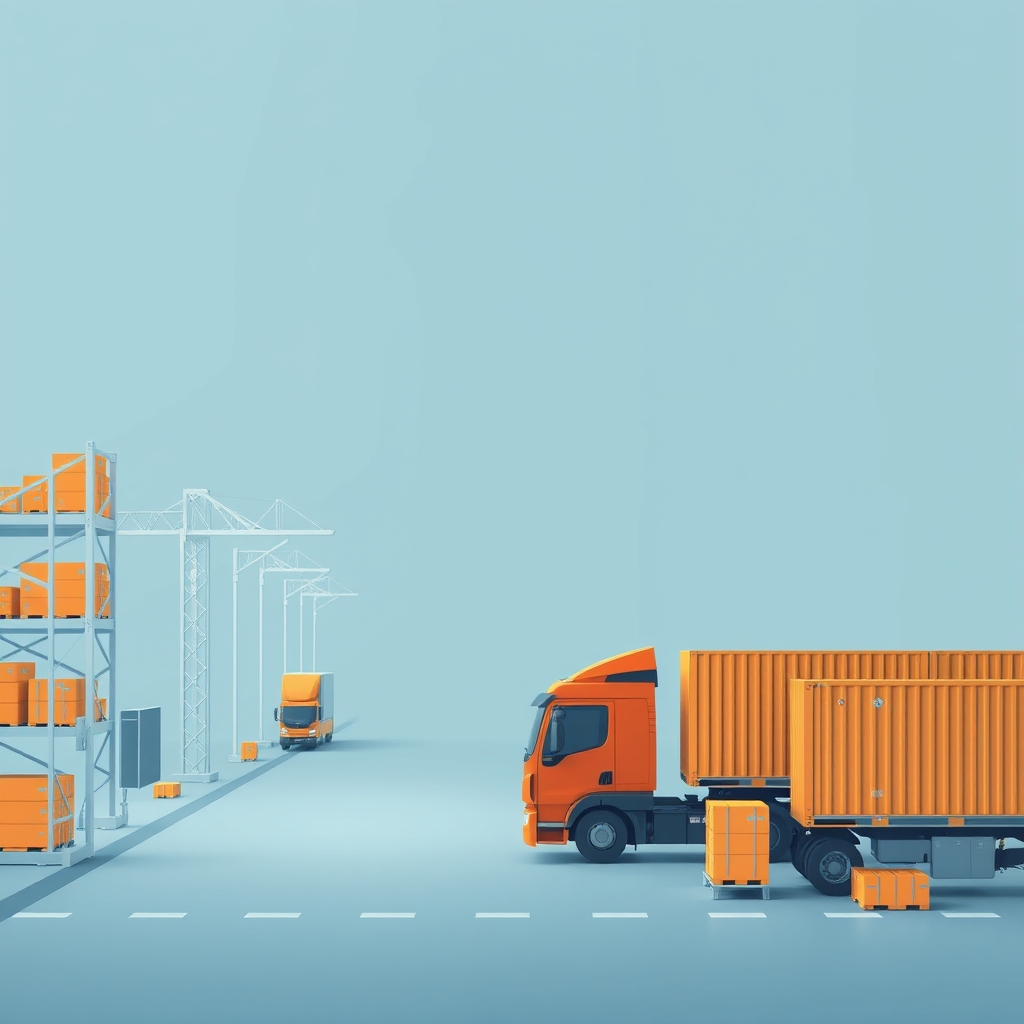
The logistics industry is on the cusp of a revolution, driven by technological advancements and the need for increased efficiency, accuracy, and speed. As we look ahead to 2026, it's clear that logistics automation will play a vital role in shaping the future of supply chains. From artificial intelligence (AI) and robotics to the Internet of Things (IoT) and blockchain, the trends that will dominate the logistics landscape in 2026 are already taking shape. In this article, we'll explore the key logistics automation trends that will transform the industry in the coming year.
Artificial Intelligence (AI) and Machine Learning (ML)
AI and ML will continue to be major drivers of logistics automation in 2026. These technologies will enable businesses to analyze vast amounts of data, identify patterns, and make informed decisions in real-time. AI-powered systems will optimize routes, predict demand, and detect potential disruptions, allowing logistics companies to respond quickly and effectively. Additionally, ML algorithms will improve the accuracy of forecasting, enabling businesses to better anticipate and prepare for changes in demand.
One of the key applications of AI in logistics will be in the area of predictive maintenance. By analyzing data from sensors and other sources, AI-powered systems will be able to predict when equipment is likely to fail, allowing for proactive maintenance and minimizing downtime. This will be particularly important in the context of warehouse automation, where the use of AI-powered robots and machines will become increasingly prevalent.
Robotics and Autonomous Systems
Robotics and autonomous systems will also play a major role in logistics automation in 2026. These technologies will enable businesses to automate tasks such as warehousing, packaging, and transportation, freeing up human workers to focus on higher-value tasks. Autonomous vehicles, in particular, will become increasingly common, with many companies already investing heavily in the development of self-driving trucks and drones.
One of the key benefits of robotics and autonomous systems in logistics is their ability to improve efficiency and reduce costs. By automating tasks that are repetitive or labor-intensive, businesses can reduce their labor costs and improve productivity. Additionally, the use of autonomous vehicles will enable businesses to reduce their fuel costs and lower their carbon emissions, making their operations more sustainable.
Internet of Things (IoT)
The IoT will be another key driver of logistics automation in 2026. The IoT refers to the network of physical devices, vehicles, and other items that are embedded with sensors, software, and connectivity, allowing them to collect and exchange data. In the context of logistics, the IoT will enable businesses to track goods in real-time, monitor the condition of shipments, and optimize their supply chains.
One of the key applications of the IoT in logistics will be in the area of asset tracking. By using IoT sensors and other devices, businesses will be able to track the location and condition of their assets in real-time, enabling them to respond quickly to changes in demand or disruptions to their supply chain. Additionally, the IoT will enable businesses to optimize their inventory management, reducing waste and improving their overall efficiency.
Blockchain
Blockchain technology will also play a major role in logistics automation in 2026. Blockchain refers to a distributed ledger technology that enables businesses to record transactions and track goods in a secure and transparent way. In the context of logistics, blockchain will enable businesses to verify the authenticity of goods, track their movement, and ensure that they are compliant with regulatory requirements.
One of the key benefits of blockchain in logistics is its ability to improve security and reduce the risk of counterfeiting. By using blockchain to track goods, businesses can ensure that their products are genuine and have not been tampered with during transit. Additionally, blockchain will enable businesses to improve their supply chain visibility, enabling them to respond quickly to changes in demand or disruptions to their supply chain.
Autonomous Warehouses
Autonomous warehouses will be another key trend in logistics automation in 2026. Autonomous warehouses use AI, robotics, and other technologies to automate tasks such as inventory management, picking, and packing. These warehouses will be able to operate around the clock, without the need for human intervention, improving efficiency and reducing costs.
One of the key benefits of autonomous warehouses is their ability to improve accuracy and reduce errors. By using AI and robotics to automate tasks, businesses can reduce the risk of human error, improving the overall quality of their operations. Additionally, autonomous warehouses will enable businesses to respond quickly to changes in demand, improving their agility and competitiveness.
5G Networks
The rollout of 5G networks will also have a major impact on logistics automation in 2026. 5G networks will provide faster data speeds, lower latency, and greater connectivity, enabling businesses to support a wide range of logistics applications, from autonomous vehicles to smart warehouses.
One of the key benefits of 5G networks in logistics is their ability to support real-time communication and data exchange. By providing faster data speeds and lower latency, 5G networks will enable businesses to respond quickly to changes in demand or disruptions to their supply chain. Additionally, 5G networks will enable businesses to support a wide range of IoT applications, improving their overall efficiency and productivity.
Conclusion
In conclusion, the logistics industry is on the cusp of a revolution, driven by technological advancements and the need for increased efficiency, accuracy, and speed. The trends that will dominate the logistics landscape in 2026, from AI and robotics to the IoT and blockchain, will transform the industry in profound ways. By embracing these trends and investing in logistics automation, businesses can improve their efficiency, reduce their costs, and enhance their overall competitiveness. Whether you're a logistics provider, a manufacturer, or a retailer, it's essential to stay ahead of the curve and leverage the latest technologies to drive success in the years to come.
Ready to transform your logistics?
Join FreightPulse today and streamline your supply chain.
Get Started