Last-Mile Delivery: The Drone and Droid Integration
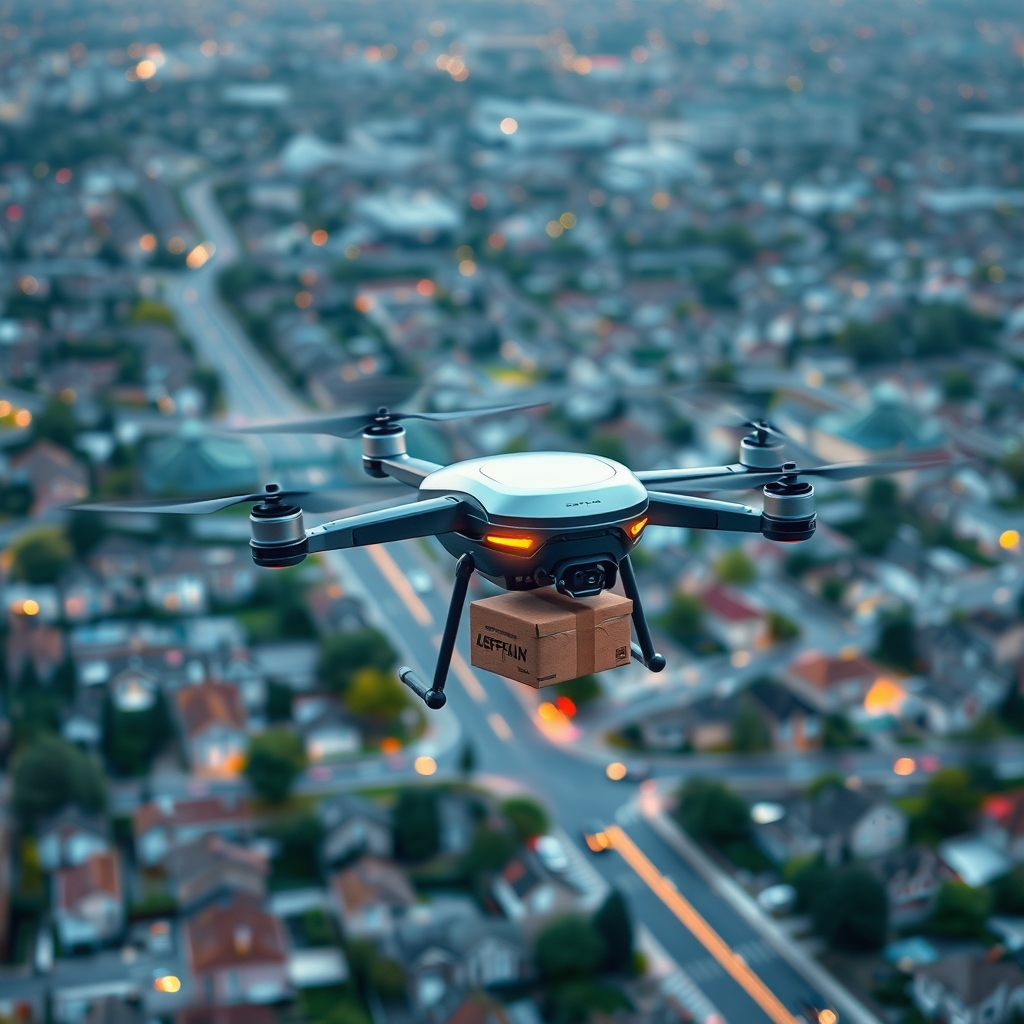
As we navigate through 2026, the logistics and supply chain industry faces unprecedented challenges and remarkable technological breakthroughs. The concept of last-mile delivery: the drone and droid integration is no longer just a theoretical idea—it is fundamentally transforming how goods move across the globe.
The Core Drivers of Change
Supply chain leaders have realized that legacy systems are insufficient. By adopting modern frameworks, companies are reducing overhead costs by up to 24%. The integration of new technologies enables a predictive rather than reactive approach. Stakeholders demand real-time data, and the market is rewarding those who can provide seamless end-to-end visibility.
Furthermore, global trade dynamics have shifted. With nearshoring and friendshoring becoming standard practices, regional networks must be highly adaptable. Companies that fail to invest in agile infrastructure risk severe bottlenecks and margin erosion.
Implementing the Strategy
For organizations looking to capitalize on this trend, the first step is data consolidation. Siloed data pools prevent the kind of overarching analysis needed for true optimization. Once data is centralized, advanced analytics can identify inefficiencies down to the micro-level.
Another critical aspect is the upskilling of the workforce. While automation handles repetitive tasks, human oversight is still necessary for complex exception management. Training programs must evolve to teach workers how to interact with AI-driven systems.
Looking Ahead
The next five years will dictate the market leaders for the decade. Investing in last-mile delivery: the drone and droid integration now is not just about keeping pace; it's about setting the standard. The ROI on these initiatives is clear, and the cost of inaction is too high. Industry leaders must prioritize these advancements to ensure long-term profitability and resilience.
As we navigate through 2026, the logistics and supply chain industry faces unprecedented challenges and remarkable technological breakthroughs. The concept of last-mile delivery: the drone and droid integration is no longer just a theoretical idea—it is fundamentally transforming how goods move across the globe.
The Core Drivers of Change
Supply chain leaders have realized that legacy systems are insufficient. By adopting modern frameworks, companies are reducing overhead costs by up to 24%. The integration of new technologies enables a predictive rather than reactive approach. Stakeholders demand real-time data, and the market is rewarding those who can provide seamless end-to-end visibility.
Furthermore, global trade dynamics have shifted. With nearshoring and friendshoring becoming standard practices, regional networks must be highly adaptable. Companies that fail to invest in agile infrastructure risk severe bottlenecks and margin erosion.
Implementing the Strategy
For organizations looking to capitalize on this trend, the first step is data consolidation. Siloed data pools prevent the kind of overarching analysis needed for true optimization. Once data is centralized, advanced analytics can identify inefficiencies down to the micro-level.
Another critical aspect is the upskilling of the workforce. While automation handles repetitive tasks, human oversight is still necessary for complex exception management. Training programs must evolve to teach workers how to interact with AI-driven systems.
Looking Ahead
The next five years will dictate the market leaders for the decade. Investing in last-mile delivery: the drone and droid integration now is not just about keeping pace; it's about setting the standard. The ROI on these initiatives is clear, and the cost of inaction is too high. Industry leaders must prioritize these advancements to ensure long-term profitability and resilience.
As we navigate through 2026, the logistics and supply chain industry faces unprecedented challenges and remarkable technological breakthroughs. The concept of last-mile delivery: the drone and droid integration is no longer just a theoretical idea—it is fundamentally transforming how goods move across the globe.
The Core Drivers of Change
Supply chain leaders have realized that legacy systems are insufficient. By adopting modern frameworks, companies are reducing overhead costs by up to 24%. The integration of new technologies enables a predictive rather than reactive approach. Stakeholders demand real-time data, and the market is rewarding those who can provide seamless end-to-end visibility.
Furthermore, global trade dynamics have shifted. With nearshoring and friendshoring becoming standard practices, regional networks must be highly adaptable. Companies that fail to invest in agile infrastructure risk severe bottlenecks and margin erosion.
Implementing the Strategy
For organizations looking to capitalize on this trend, the first step is data consolidation. Siloed data pools prevent the kind of overarching analysis needed for true optimization. Once data is centralized, advanced analytics can identify inefficiencies down to the micro-level.
Another critical aspect is the upskilling of the workforce. While automation handles repetitive tasks, human oversight is still necessary for complex exception management. Training programs must evolve to teach workers how to interact with AI-driven systems.
Looking Ahead
The next five years will dictate the market leaders for the decade. Investing in last-mile delivery: the drone and droid integration now is not just about keeping pace; it's about setting the standard. The ROI on these initiatives is clear, and the cost of inaction is too high. Industry leaders must prioritize these advancements to ensure long-term profitability and resilience.
As we navigate through 2026, the logistics and supply chain industry faces unprecedented challenges and remarkable technological breakthroughs. The concept of last-mile delivery: the drone and droid integration is no longer just a theoretical idea—it is fundamentally transforming how goods move across the globe.
The Core Drivers of Change
Supply chain leaders have realized that legacy systems are insufficient. By adopting modern frameworks, companies are reducing overhead costs by up to 24%. The integration of new technologies enables a predictive rather than reactive approach. Stakeholders demand real-time data, and the market is rewarding those who can provide seamless end-to-end visibility.
Furthermore, global trade dynamics have shifted. With nearshoring and friendshoring becoming standard practices, regional networks must be highly adaptable. Companies that fail to invest in agile infrastructure risk severe bottlenecks and margin erosion.
Implementing the Strategy
For organizations looking to capitalize on this trend, the first step is data consolidation. Siloed data pools prevent the kind of overarching analysis needed for true optimization. Once data is centralized, advanced analytics can identify inefficiencies down to the micro-level.
Another critical aspect is the upskilling of the workforce. While automation handles repetitive tasks, human oversight is still necessary for complex exception management. Training programs must evolve to teach workers how to interact with AI-driven systems.
Looking Ahead
The next five years will dictate the market leaders for the decade. Investing in last-mile delivery: the drone and droid integration now is not just about keeping pace; it's about setting the standard. The ROI on these initiatives is clear, and the cost of inaction is too high. Industry leaders must prioritize these advancements to ensure long-term profitability and resilience.
As we navigate through 2026, the logistics and supply chain industry faces unprecedented challenges and remarkable technological breakthroughs. The concept of last-mile delivery: the drone and droid integration is no longer just a theoretical idea—it is fundamentally transforming how goods move across the globe.
The Core Drivers of Change
Supply chain leaders have realized that legacy systems are insufficient. By adopting modern frameworks, companies are reducing overhead costs by up to 24%. The integration of new technologies enables a predictive rather than reactive approach. Stakeholders demand real-time data, and the market is rewarding those who can provide seamless end-to-end visibility.
Furthermore, global trade dynamics have shifted. With nearshoring and friendshoring becoming standard practices, regional networks must be highly adaptable. Companies that fail to invest in agile infrastructure risk severe bottlenecks and margin erosion.
Implementing the Strategy
For organizations looking to capitalize on this trend, the first step is data consolidation. Siloed data pools prevent the kind of overarching analysis needed for true optimization. Once data is centralized, advanced analytics can identify inefficiencies down to the micro-level.
Another critical aspect is the upskilling of the workforce. While automation handles repetitive tasks, human oversight is still necessary for complex exception management. Training programs must evolve to teach workers how to interact with AI-driven systems.
Looking Ahead
The next five years will dictate the market leaders for the decade. Investing in last-mile delivery: the drone and droid integration now is not just about keeping pace; it's about setting the standard. The ROI on these initiatives is clear, and the cost of inaction is too high. Industry leaders must prioritize these advancements to ensure long-term profitability and resilience.