IoT Sensors in Freight: Real-Time Cargo Monitoring That's Changing the Game in 2026
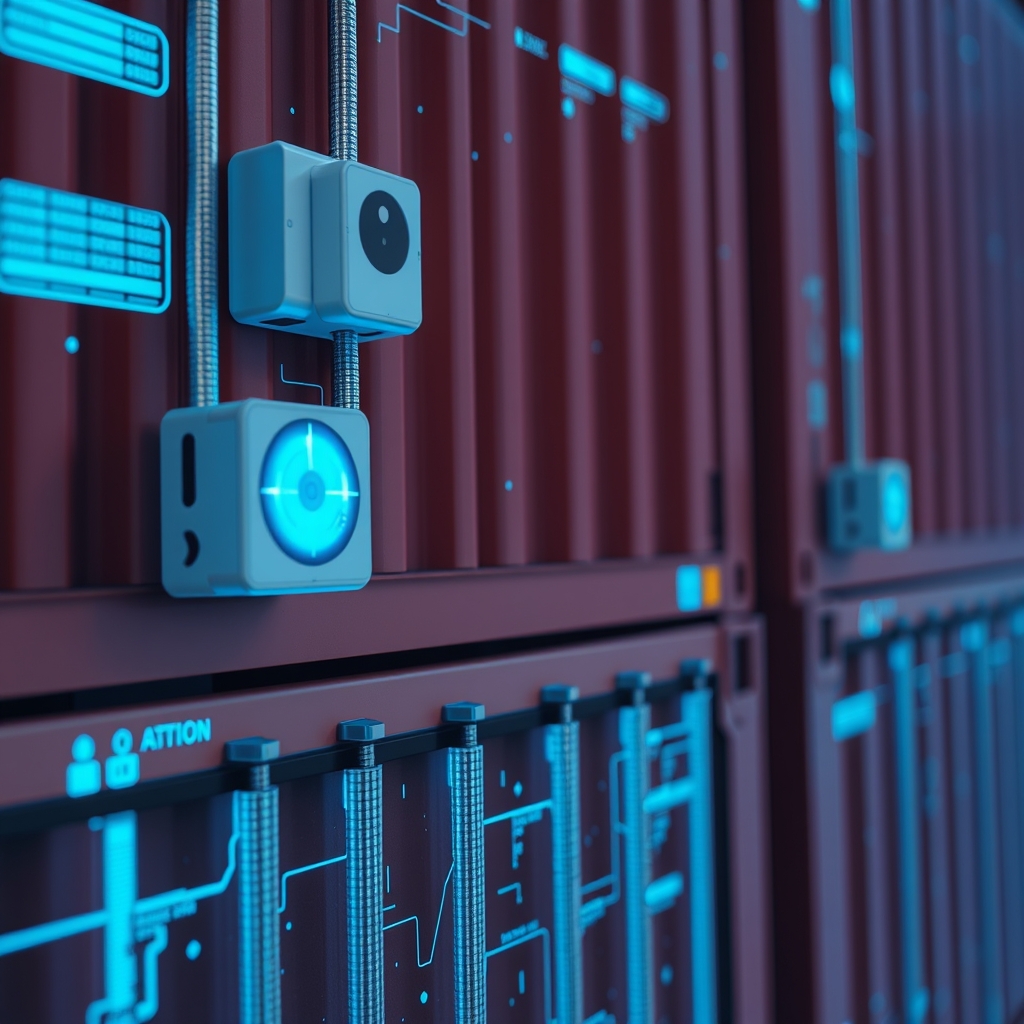
A pharmaceutical shipment worth $2.3 million arrives at the distribution center. The trailer looks fine. The seal is intact. But hidden inside the cargo, the temperature climbed to 47°F for six hours during a truck breakdown in Arizona—well above the 36°F maximum threshold. Without IoT sensors, that shipment gets received, distributed, and potentially harms patients. With sensors, the excursion was flagged in real time, the load was rerouted to a temperature-controlled holding facility, and a replacement shipment was dispatched before the customer even noticed a delay.
That's not a hypothetical. It's a Tuesday in 2026 for companies using IoT-enabled freight monitoring. And it illustrates why sensor technology has moved from a nice-to-have to a fundamental requirement for modern supply chains.
The IoT Sensor Landscape in 2026
The freight sensor market has matured dramatically. Devices that cost $150+ in 2020 now cost $15–$40 for single-use models and $75–$200 for reusable multi-trip units. Battery life has extended to 18–36 months. Cellular connectivity (now primarily 5G and LTE-M) has eliminated the dead zones that plagued earlier GPS trackers. And the data platforms that ingest sensor data have evolved from simple dashboards to predictive analytics engines.
📊 IoT in Freight: 2026 Market Snapshot
68% of shippers with over $10M in annual freight spend now use some form of IoT cargo monitoring—up from 31% in 2022. Average cargo damage claims drop 41% within the first year of IoT deployment. Temperature-monitored shipments have a 99.2% compliance rate vs. 94.1% for unmonitored loads. The global freight IoT sensor market is valued at $4.8 billion in 2026, growing at 19% CAGR.
What Today's Sensors Actually Measure
Temperature and Humidity
The most mature and widely adopted sensor category. Modern temperature loggers record readings every 1–15 minutes with ±0.1°C accuracy and transmit data in real time via cellular networks. Humidity sensors are critical for commodities like electronics, paper products, and agricultural goods where moisture can cause as much damage as heat.
The 2026 advancement: dual-zone monitoring. New sensor configurations can simultaneously track ambient trailer temperature and product-level temperature (via probe sensors inserted into pallets), catching situations where the trailer air temperature is compliant but product core temperatures are not.
Shock and Vibration (G-Force)
Accelerometers embedded in cargo sensors detect impacts, drops, and excessive vibration. When a forklift drops a pallet from four feet, the sensor records the exact G-force, timestamp, and GPS location. This data is invaluable for:
- Identifying where in the supply chain damage actually occurs (warehouse vs. line haul vs. last mile)
- Building evidence for freight claims with timestamped, location-tagged impact records
- Benchmarking carrier and warehouse handling quality over time
- Setting up real-time alerts when G-force thresholds are exceeded
Light Detection (Door Open/Close)
Light sensors detect when a container or trailer door is opened, providing a tamper-detection layer for high-security shipments. Combined with GPS data, a door-open event at an unauthorized location triggers immediate alerts. This simple sensor has become a frontline tool against cargo theft, which exceeded $694 million in U.S. losses in 2025.
Tilt and Orientation
For goods that must remain upright—chemicals, certain electronics, glass products—tilt sensors monitor orientation throughout transit. A tilt event beyond the acceptable threshold (typically 10–15 degrees) triggers alerts and provides documentation for determining when and where mishandling occurred.
Air Quality and Gas Detection
An emerging category particularly relevant for fresh produce (ethylene monitoring), hazardous materials (leak detection), and pharmaceutical cold chain (CO2 levels in dry ice shipments). These sensors are still more expensive ($100–$300 per unit) but are becoming standard for high-value and regulated commodities.
Real-World ROI: Where Sensors Pay for Themselves
Cargo Damage Reduction
The most direct ROI driver. Companies deploying comprehensive sensor programs report a 30–50% reduction in cargo damage claims within the first 12 months. The mechanism is twofold: sensors enable proactive intervention before damage occurs (rerouting a temperature-compromised load), and the visibility they provide changes behavior—carriers and warehouses handle monitored shipments more carefully because they know they're being watched.
Insurance Premium Reduction
Major cargo insurers now offer 15–30% premium discounts for shippers with certified IoT monitoring programs. The logic is sound: sensor-equipped shipments have better outcomes, generate faster and more accurate claims data, and allow insurers to offer parametric products that reduce their administrative costs.
Regulatory Compliance
The FDA's FSMA (Food Safety Modernization Act) and the EU's GDP (Good Distribution Practice) guidelines require documented temperature monitoring for food and pharmaceutical shipments. Manual temperature logs are increasingly insufficient for auditors. IoT sensors provide the continuous, tamper-proof data trail that regulators demand—and the cost of non-compliance (facility shutdowns, product recalls, fines) dwarfs the cost of sensor deployment.
Customer Confidence and Competitive Differentiation
Sharing real-time sensor data with customers—showing them their shipment's exact location, temperature history, and handling quality—builds trust that no amount of marketing can match. Several 3PLs and carriers now use sensor data sharing as a premium service tier, commanding 5–10% rate premiums from customers who value the transparency.
Implementation: Getting Started Without Boiling the Ocean
You don't need to sensor-equip every shipment on day one. A phased approach works best:
- Phase 1 — High-value and high-risk shipments. Start with your most expensive, damage-prone, or temperature-sensitive commodities. This is where ROI is immediate and obvious.
- Phase 2 — Problem lanes and carriers. Use sensors to diagnose specific lanes or carrier relationships with above-average damage rates. The data will either confirm the problem (supporting a carrier change) or reveal that the issue is elsewhere in the chain.
- Phase 3 — Full fleet deployment. Once you've proven ROI and built internal processes around sensor data, expand to broader coverage. At this stage, negotiate volume pricing with sensor vendors and insurance discounts with your cargo insurer.
Choosing the Right Sensors
Key selection criteria for 2026:
- Connectivity: Prioritize LTE-M/5G cellular over Bluetooth or Wi-Fi. You need data in transit, not just at endpoints.
- Battery life: Minimum 12 months for reusable devices. Single-use devices should cover 30+ days of continuous monitoring.
- Platform integration: The sensor is only as useful as its data platform. Ensure the vendor's API integrates with your TMS, WMS, and visibility platforms.
- Form factor: Pallet-level sensors vs. container-level sensors serve different purposes. Match the form factor to your monitoring granularity needs.
- Total cost of ownership: Factor in device cost, monthly connectivity fees, platform subscription, and reverse logistics for reusable devices.
The freight industry is undergoing a data revolution, and IoT sensors are the front line. In 2026, the question isn't whether to invest in cargo monitoring—it's how fast you can deploy it before your competitors do.
Integrate Sensor Data Into Your Freight Operations
FreightPulse connects with leading IoT sensor platforms to give you unified visibility—location, temperature, handling quality—all in one dashboard.
Start Free Trial →