Revolutionizing Last-Mile Logistics: The Rise of Drone Deliveries
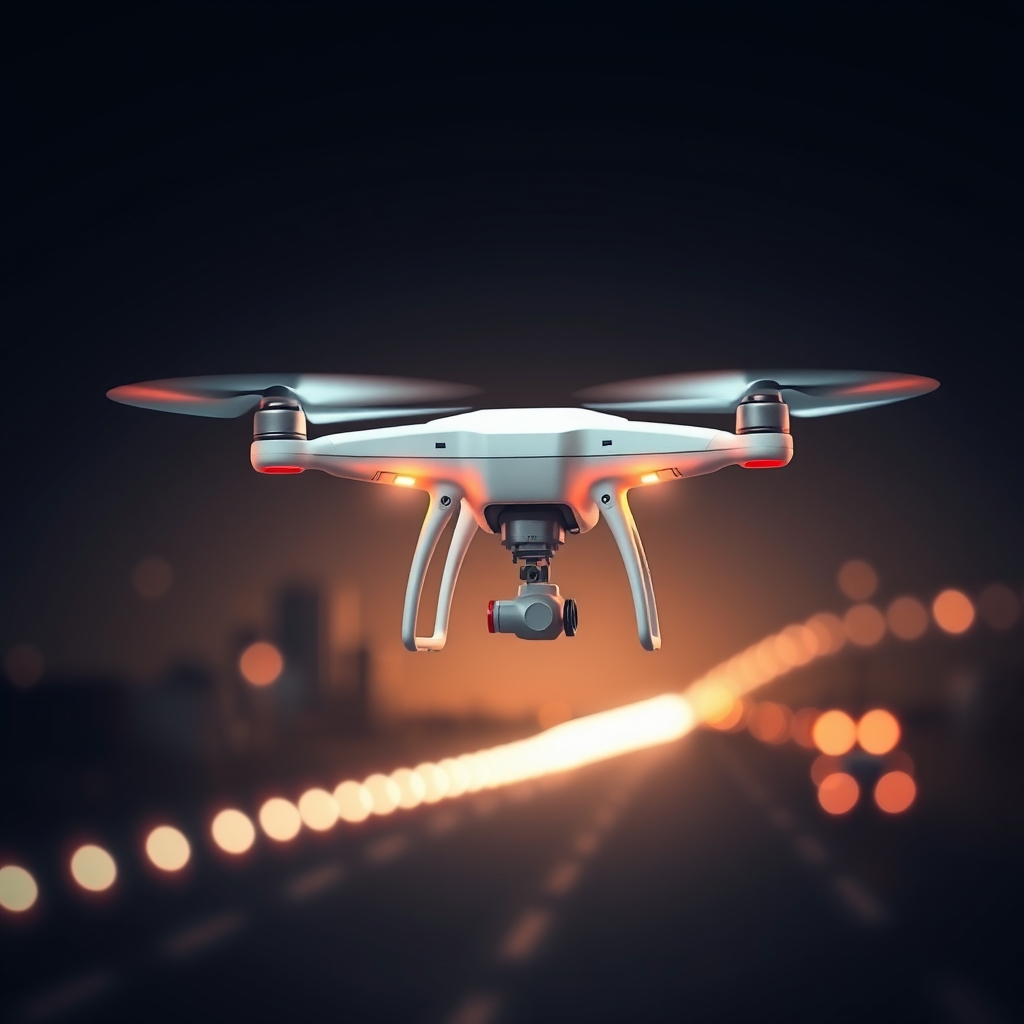
The logistics industry has undergone significant transformations in recent years, driven by advancements in technology and changing consumer expectations. One of the most exciting developments in this space is the emergence of drone deliveries as a viable solution for last-mile logistics. Last-mile logistics refers to the final stage of the delivery process, where packages are transported from a distribution center or warehouse to the end customer's doorstep. This stage is often the most challenging and expensive part of the delivery process, accounting for up to 53% of total shipping costs. Drone deliveries are poised to revolutionize this stage, offering a faster, cheaper, and more efficient way to transport packages over short distances.
What are Drone Deliveries?
Drone deliveries, also known as unmanned aerial vehicle (UAV) deliveries, involve the use of autonomous drones to transport packages from one location to another. These drones are equipped with GPS, sensors, and other navigation systems that enable them to fly safely and efficiently to their destinations. Drone deliveries can be used for a variety of applications, including e-commerce, medical supply delivery, and food delivery. They offer several advantages over traditional delivery methods, including reduced labor costs, increased speed, and improved accessibility to remote or hard-to-reach areas.
Benefits of Drone Deliveries in Last-Mile Logistics
Drone deliveries offer several benefits in last-mile logistics, including:
- Faster Delivery Times: Drones can fly directly to their destinations, avoiding traffic congestion and other obstacles that can slow down traditional delivery vehicles. This enables businesses to offer faster delivery times, improving customer satisfaction and loyalty.
- Lower Costs: Drone deliveries can reduce labor costs, fuel costs, and other expenses associated with traditional delivery methods. According to a report by McKinsey, drone deliveries can reduce delivery costs by up to 50%.
- Increased Accessibility: Drones can access remote or hard-to-reach areas that may be difficult or impossible for traditional delivery vehicles to reach. This makes them ideal for delivering packages to rural areas, disaster zones, or other areas with limited infrastructure.
- Improved Safety: Drones can reduce the risk of accidents and injuries associated with traditional delivery methods. They can also be equipped with sensors and other safety features to detect and avoid obstacles.
Challenges and Limitations of Drone Deliveries
While drone deliveries offer several benefits, there are also several challenges and limitations to consider. These include:
- Regulatory Frameworks: The use of drones for delivery is subject to various regulatory frameworks, which can vary by country and region. Businesses must comply with these regulations, which can be complex and time-consuming.
- Technical Limitations: Drones have limited range, payload capacity, and endurance, which can limit their use for certain types of deliveries. They also require regular maintenance and upkeep to ensure safe and efficient operation.
- Security and Privacy Concerns: Drones can raise security and privacy concerns, particularly if they are used to deliver sensitive or high-value packages. Businesses must implement robust security measures to protect packages and customer data.
- Public Acceptance: Drone deliveries may not be widely accepted by the public, particularly if they are perceived as noisy, intrusive, or disruptive. Businesses must educate customers and communities about the benefits and safety of drone deliveries.
Real-World Applications of Drone Deliveries
Despite the challenges and limitations, drone deliveries are being used in a variety of real-world applications, including:
- E-commerce: Companies like Amazon, UPS, and FedEx are using drones to deliver packages to customers in rural and urban areas.
- Medical Supply Delivery: Drones are being used to deliver medical supplies, such as blood, vaccines, and medications, to remote or hard-to-reach areas.
- Food Delivery: Companies like Uber Eats and GrubHub are using drones to deliver food to customers in urban areas.
- Disaster Relief: Drones are being used to deliver aid and supplies to disaster zones, such as hurricane-affected areas or areas affected by wildfires.
Future of Drone Deliveries in Last-Mile Logistics
The future of drone deliveries in last-mile logistics is promising, with several trends and developments expected to shape the industry in the coming years. These include:
- Advancements in Technology: Improvements in drone technology, such as increased range, payload capacity, and endurance, will enable more efficient and cost-effective deliveries.
- Expansion of Regulatory Frameworks: Governments and regulatory bodies are expected to establish clearer guidelines and regulations for the use of drones in delivery, which will help to increase adoption and investment in the industry.
- Increased Investment: Venture capital firms and investors are expected to invest more in drone delivery startups, which will help to drive innovation and growth in the industry.
- Partnerships and Collaborations: Companies are expected to form partnerships and collaborations to develop and implement drone delivery solutions, which will help to drive adoption and scalability.
In conclusion, drone deliveries are revolutionizing the last-mile logistics landscape, offering a faster, cheaper, and more efficient way to transport packages over short distances. While there are challenges and limitations to consider, the benefits of drone deliveries make them an attractive solution for businesses and consumers alike. As the industry continues to evolve and grow, we can expect to see more widespread adoption of drone deliveries in last-mile logistics, driving innovation and transformation in the years to come.
Ready to transform your logistics?
Join FreightPulse today and streamline your supply chain.
Get Started