Digital Twins: Revolutionizing Warehouse Operations for Enhanced Efficiency
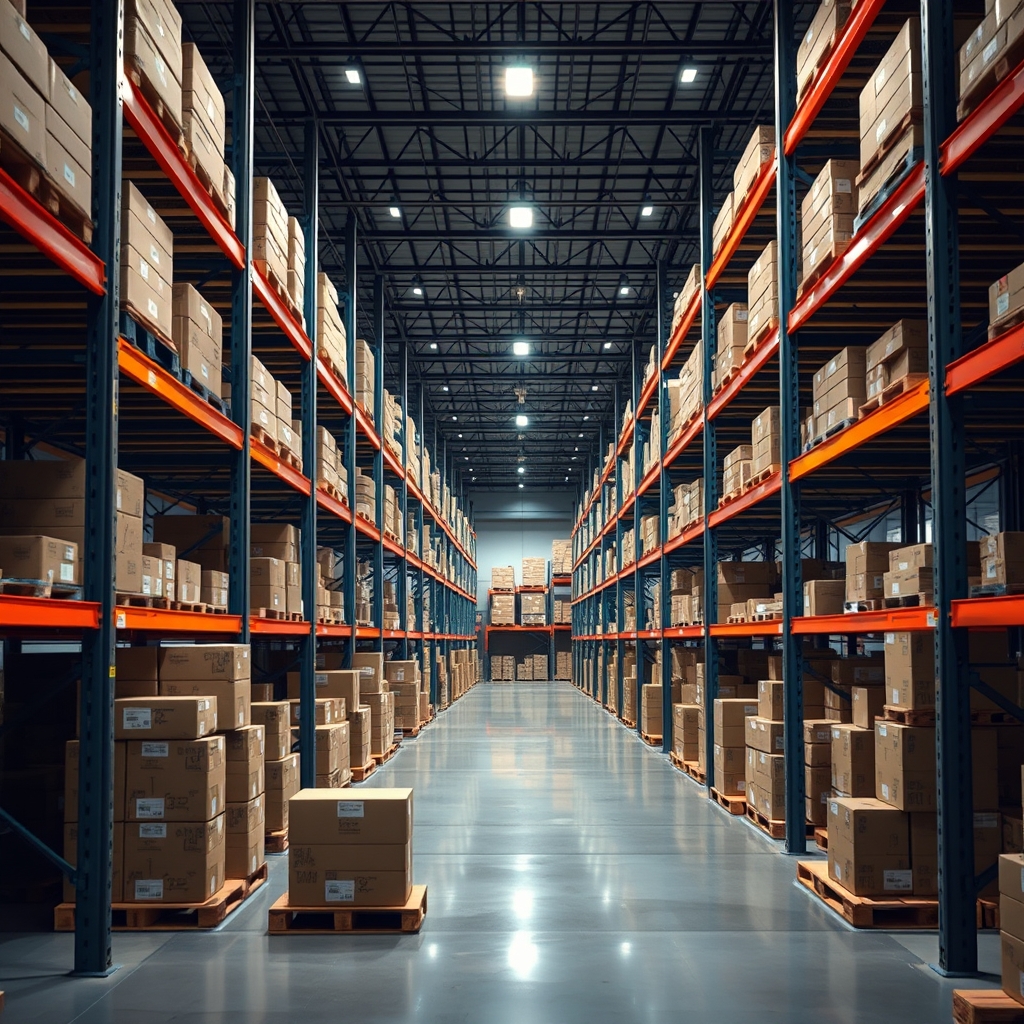
The concept of digital twins has been around for several years, but its application in warehouse operations is a relatively new and exciting development. A digital twin is a virtual replica of a physical entity, such as a warehouse, which can be used to simulate, predict, and optimize its behavior. In the context of warehouse operations, digital twins are being used to create a virtual copy of the warehouse, including its layout, inventory, and equipment. This virtual copy can then be used to simulate different scenarios, predict potential problems, and optimize operations in real-time.
What are Digital Twins?
Digital twins are virtual models that mimic the behavior of physical objects or systems. They are created using data from sensors, IoT devices, and other sources, which are then used to build a virtual replica of the physical entity. Digital twins can be used to simulate different scenarios, predict potential problems, and optimize performance. In the context of warehouse operations, digital twins can be used to simulate the movement of goods, predict inventory levels, and optimize the use of equipment and personnel.
Benefits of Digital Twins in Warehouse Operations
The use of digital twins in warehouse operations offers several benefits, including:
- Improved efficiency: Digital twins can be used to simulate different scenarios and predict potential problems, allowing warehouse managers to optimize operations and reduce downtime.
- Increased accuracy: Digital twins can be used to track inventory levels and movement in real-time, reducing errors and improving accuracy.
- Reduced costs: Digital twins can be used to optimize the use of equipment and personnel, reducing energy consumption and labor costs.
- Enhanced customer experience: Digital twins can be used to simulate different scenarios and predict potential problems, allowing warehouse managers to provide more accurate and reliable delivery times to customers.
How Digital Twins Work in Warehouse Operations
Digital twins work by creating a virtual copy of the warehouse, including its layout, inventory, and equipment. This virtual copy is then used to simulate different scenarios, predict potential problems, and optimize operations in real-time. The process typically involves the following steps:
- Data collection: Data is collected from sensors, IoT devices, and other sources to build a virtual replica of the warehouse.
- Model creation: The data is then used to create a virtual model of the warehouse, including its layout, inventory, and equipment.
- Simulation: The virtual model is then used to simulate different scenarios, such as the movement of goods or the use of equipment.
- Prediction: The simulation is then used to predict potential problems, such as inventory shortages or equipment failures.
- Optimization: The predictions are then used to optimize operations, such as adjusting inventory levels or scheduling maintenance.
Real-World Examples of Digital Twins in Warehouse Operations
Several companies are already using digital twins to optimize their warehouse operations. For example:
- Amazon is using digital twins to simulate the movement of goods in its warehouses, allowing it to optimize its inventory levels and reduce delivery times.
- DHL is using digital twins to simulate the use of equipment in its warehouses, allowing it to optimize its maintenance schedules and reduce downtime.
- Maersk is using digital twins to simulate the movement of goods in its warehouses, allowing it to optimize its inventory levels and reduce delivery times.
Challenges and Limitations of Digital Twins in Warehouse Operations
While digital twins offer several benefits in warehouse operations, there are also several challenges and limitations to consider. These include:
- Data quality: Digital twins require high-quality data to function effectively, which can be a challenge in warehouses with outdated or inaccurate data systems.
- Integration: Digital twins require integration with existing systems and equipment, which can be a challenge in warehouses with legacy systems.
- Security: Digital twins require robust security measures to protect against cyber threats and data breaches.
- Cost: Digital twins can be expensive to implement and maintain, which can be a challenge for smaller warehouses or those with limited budgets.
Future of Digital Twins in Warehouse Operations
The use of digital twins in warehouse operations is expected to continue to grow in the coming years, driven by advances in technology and the increasing demand for efficiency and accuracy. Some of the trends that are expected to shape the future of digital twins in warehouse operations include:
- Increased use of IoT devices: The use of IoT devices is expected to increase in warehouses, providing more data and insights to inform digital twins.
- Greater emphasis on sustainability: Digital twins are expected to play a key role in reducing energy consumption and waste in warehouses, as companies seek to improve their sustainability credentials.
- More emphasis on customer experience: Digital twins are expected to play a key role in improving the customer experience, by providing more accurate and reliable delivery times and improving the overall efficiency of warehouse operations.
Conclusion
In conclusion, digital twins are revolutionizing warehouse operations by providing a virtual replica of the warehouse, which can be used to simulate, predict, and optimize its behavior. The benefits of digital twins in warehouse operations include improved efficiency, increased accuracy, reduced costs, and enhanced customer experience. While there are several challenges and limitations to consider, the use of digital twins in warehouse operations is expected to continue to grow in the coming years, driven by advances in technology and the increasing demand for efficiency and accuracy.
Ready to transform your logistics?
Join FreightPulse today and streamline your supply chain.
Get Started