Unlocking Transparency: The Power of Blockchain in Supply Chain Management
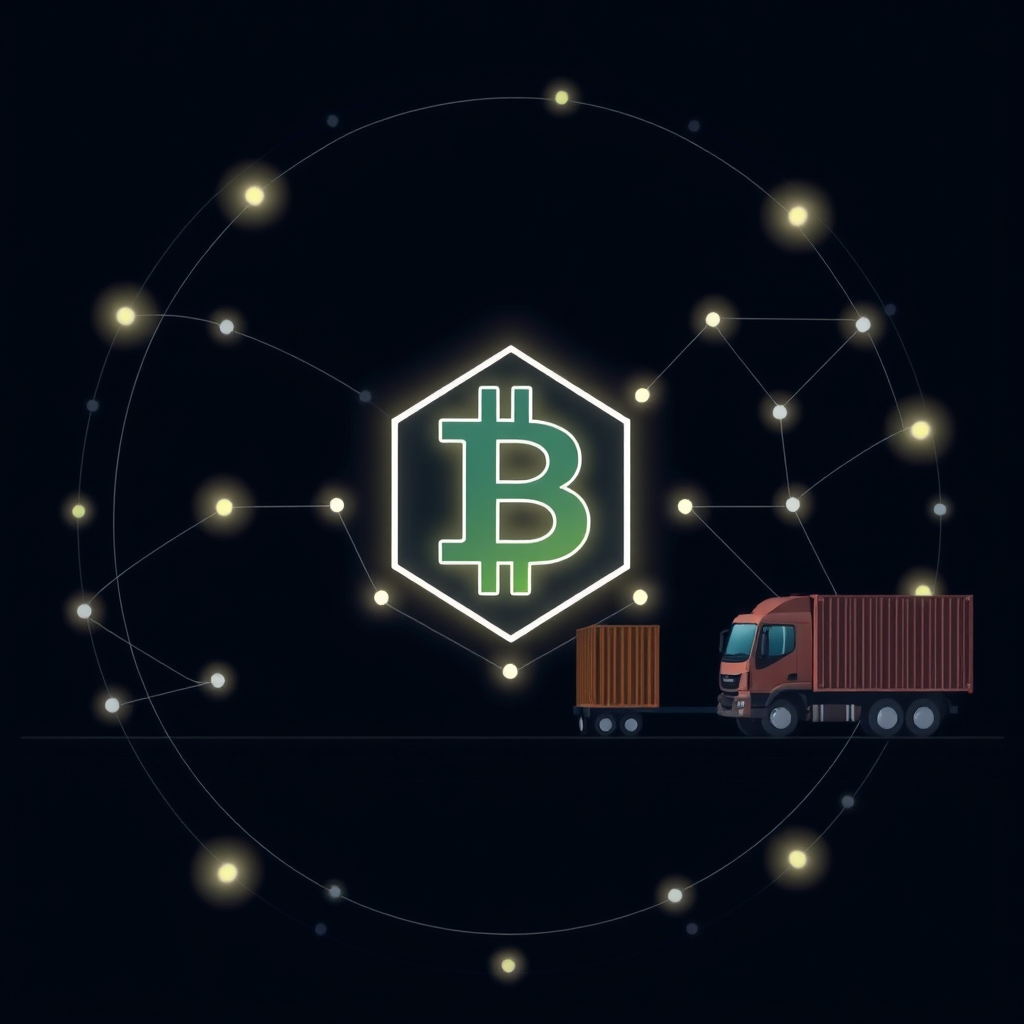
The concept of supply chain management has undergone significant transformations over the years, driven by advances in technology and the need for greater efficiency, security, and transparency. One of the most promising innovations in this realm is the integration of blockchain technology into supply chain operations. Blockchain, known for its role in cryptocurrency, offers a decentralized, digital ledger that records transactions across a network of computers, ensuring data integrity, transparency, and security. In the context of supply chain management, blockchain transparency is not just a novelty but a necessity, enabling companies to track their products from raw material sourcing to end-consumer delivery with unprecedented clarity.
Introduction to Blockchain Technology
Before diving into the specifics of blockchain in supply chain management, it's essential to understand the basics of blockchain technology. Blockchain is a distributed ledger technology that allows multiple parties to access and record transactions without the need for a central authority. This decentralized approach ensures that once data is recorded, it cannot be altered or deleted, providing a permanent and transparent record of all transactions. The use of advanced cryptography secures the data, making it virtually impossible to manipulate or hack into the system. This level of security and transparency is particularly beneficial in supply chain management, where the origin, quality, and movement of goods are critical.
Benefits of Blockchain Transparency in Supply Chain Management
The integration of blockchain into supply chain management offers several benefits, with transparency being at the forefront. Here are some of the key advantages:
1. Enhanced Transparency: Blockchain provides a clear and permanent record of every transaction, allowing companies to trace the origin, movement, and ownership of goods throughout the supply chain. This level of transparency helps in building trust among stakeholders, including suppliers, manufacturers, logistics providers, and consumers.
2. Improved Security: The use of blockchain reduces the risk of counterfeit products entering the supply chain. Since each product can be tracked and verified at every stage, any attempt to introduce fake goods into the system can be quickly identified and addressed.
3. Increased Efficiency: Blockchain automates many of the manual processes involved in supply chain management, such as tracking shipments and verifying transactions. This automation reduces the time and cost associated with these processes, making the supply chain more efficient.
4. Better Compliance: With blockchain, companies can ensure compliance with regulatory requirements more easily. The transparent and tamper-proof nature of blockchain records makes it simpler to demonstrate adherence to laws and standards related to the supply chain.
Real-World Applications of Blockchain in Supply Chain Management
Theoretical benefits are one thing, but the real test of blockchain's potential in supply chain management lies in its practical applications. Several companies and industries are already leveraging blockchain to enhance transparency and efficiency in their supply chains. For example:
- Walmart has been using blockchain to track its food supply chain, ensuring that it can quickly identify and recall contaminated products, thereby improving food safety.
- De Beers utilizes blockchain to track diamonds from mining to retail, helping to eliminate conflict diamonds and ensure the authenticity of its products.
- Maersk and IBM have collaborated on a blockchain-based platform to enhance supply chain efficiency, reducing paperwork and increasing the speed of international trade.
Challenges and Future Directions
While blockchain offers immense potential for enhancing transparency and efficiency in supply chain management, its adoption is not without challenges. Some of the key hurdles include:
1. Scalability: Currently, blockchain technology faces scalability issues, limiting the number of transactions it can process per second. For widespread adoption in supply chain management, blockchain needs to become more scalable.
2. Regulation: The regulatory environment for blockchain is still evolving and varies significantly from one country to another. Clear and supportive regulations are necessary to encourage the adoption of blockchain in supply chains.
3. Interoperability: Different blockchain systems often lack interoperability, making it difficult for them to communicate with each other seamlessly. Developing standards for interoperability is crucial for the widespread integration of blockchain into supply chains.
Despite these challenges, the future of blockchain in supply chain management looks promising. As technology continues to evolve, addressing issues of scalability, regulation, and interoperability, we can expect to see more companies embracing blockchain to enhance transparency, security, and efficiency in their supply chains.
Conclusion
In conclusion, blockchain transparency in supply chain management is not just a trend but a transformative force that is changing the way companies operate. By providing a decentralized, secure, and transparent way to track goods and services, blockchain is helping to build trust, reduce costs, and increase efficiency across supply chains. As this technology continues to advance and overcome its current limitations, its potential to revolutionize supply chain management will only continue to grow, offering a future where transparency, security, and efficiency are the hallmarks of every supply chain operation.
Ready to transform your logistics?
Join FreightPulse today and streamline your supply chain.
Get Started